Jon Sanz Net Worth 2026 - The Young Spaniard Riding Padel's American Wave to Financial Success
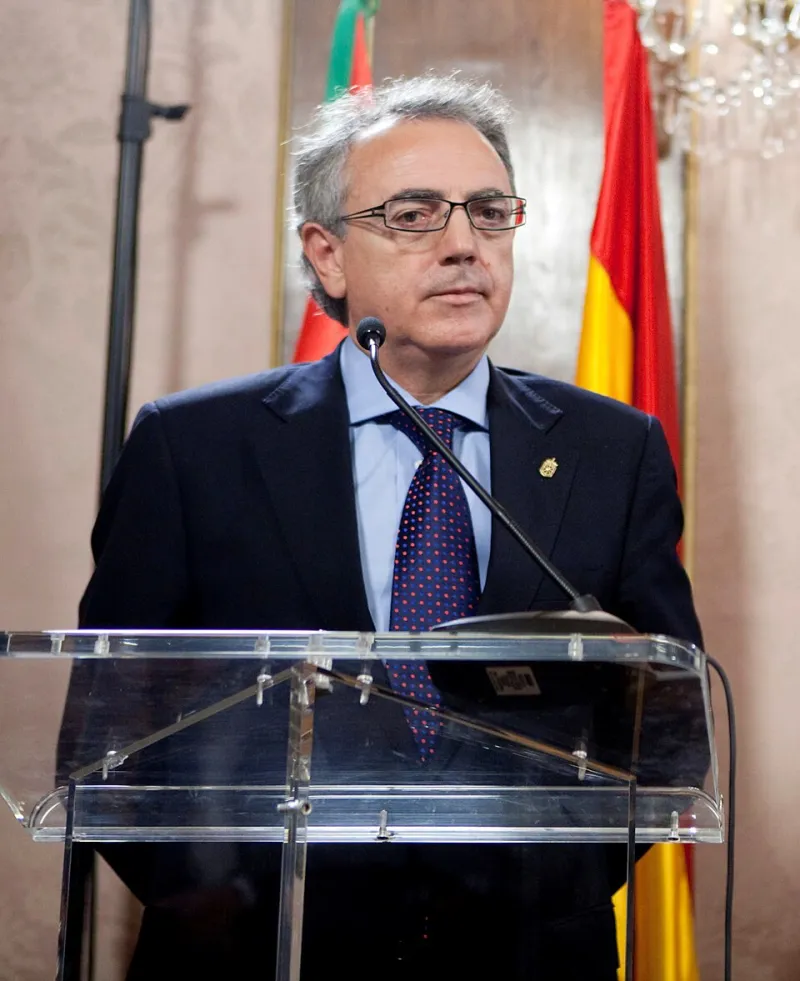
Photo: Jon Bernardez, CC BY 3.0 es, via Wikimedia Commons
Jon Sanz Net Worth 2026 - From Spanish Courts to Global Padel Wealth
In a sport that has transformed from a Mediterranean pastime into a globally traded commercial product, Jon Sanz represents a category of professional that padel's financial revolution has most meaningfully empowered: the consistent, well-rounded touring professional whose income now extends well beyond prize money. As of 2026, Sanz's estimated net worth stands at approximately $850,000, a figure that reflects years of disciplined competition, strategic sponsorship alignment, and the broader economic forces reshaping the sport worldwide.
Career Foundation and Circuit Trajectory
Jon Sanz developed his game through Spain's famously competitive domestic padel infrastructure, a system that has produced an extraordinary concentration of world-class talent relative to its population. Coming through the ranks during the World Padel Tour era, Sanz earned his professional credentials by competing at a level that demanded technical precision and tactical adaptability in equal measure.
His transition into the Premier Padel circuit — the FIP-sanctioned tour that has attracted significant investment from sovereign wealth funds and global sports conglomerates — proved pivotal to his financial story. Premier Padel's restructured prize pool distributions, which more equitably reward mid-table finishers than previous circuit formats, have been particularly beneficial for professionals at Sanz's ranking level. Where earlier circuit economics concentrated wealth almost exclusively at the very top of the draw, the new model ensures that consistent quarterfinal and round-of-sixteen performances generate meaningful income.
By 2026, Sanz has accumulated an estimated $280,000 to $320,000 in career prize money, a sum built incrementally across multiple seasons of professional competition on both the international circuit and high-value domestic events in Spain.
Sponsorship and Brand Endorsement Income
For mid-tier touring professionals, sponsorship agreements have become the true financial engine of a sustainable career, and Jon Sanz has navigated this landscape with notable effectiveness. His equipment partnership — covering rackets and footwear — represents an estimated $60,000 to $80,000 annually in combined value, encompassing both direct fees and product provisions that reduce his operational costs as a touring athlete.
Apparel sponsorships add another layer to his income structure. Spanish and European padel brands have aggressively expanded their ambassador rosters as the sport's television and streaming audience has grown, recognizing that players like Sanz deliver authentic credibility to audiences who follow the tour closely. These arrangements typically blend modest cash components with performance incentives tied to tournament results and social media deliverables.
As padel's penetration into the American market has accelerated — with dedicated padel facilities now operating in major US metropolitan areas including New York, Miami, and Los Angeles — European brands have increasingly valued players who maintain active digital presences that can reach transatlantic audiences. Sanz's social media engagement, while not at the celebrity scale of the sport's marquee names, contributes an estimated $15,000 to $25,000 per year in platform-driven income and amplification value for his commercial partners.
Club Contracts and Domestic Market Value
Spain's club padel economy operates on a scale that most American sports observers would find surprising. Elite clubs across Madrid, Barcelona, and the broader Spanish market retain professional players under retainer arrangements that provide exhibition appearances, coaching clinics, and promotional representation. These contracts, which can range from modest agreements to substantial annual retainers for top-tier professionals, represent a stable income floor that insulates touring players from the volatility of prize money earnings.
Sanz's domestic market value, built on his professional circuit credentials and his standing within Spain's padel community, is estimated to generate $40,000 to $60,000 annually through club-affiliated activities. This figure encompasses clinic fees, exhibition match appearances, and the reputational value he delivers to clubs seeking to elevate their competitive profile.
The Padel Economy: Context for Sanz's Financial Position
To fully appreciate what Sanz's $850,000 net worth represents, it is worth situating his financial story within the sport's extraordinary commercial trajectory. Global investment in padel infrastructure surpassed $1 billion in cumulative commitments between 2021 and 2025, with major private equity firms, sovereign wealth funds, and sports media conglomerates all staking positions in the sport's future. This capital influx has elevated prize pools, created new broadcast rights revenue streams, and generated sponsor interest from categories — luxury goods, financial services, premium automotive — that were entirely absent from the sport a decade ago.
For a professional at Sanz's level, this commercial explosion has translated into a meaningful upgrade in earning potential. The same competitive results that might have generated $150,000 in total career earnings under the old circuit economics now produce something closer to $300,000, with sponsorship markets that have deepened and diversified in parallel.
Academy and Coaching Ventures
As Sanz has matured as a professional, he has begun to invest in the knowledge-transfer side of the sport. Coaching and academy engagements — whether structured formal programs or high-value private instruction — represent an income stream that aligns naturally with his professional profile and one that carries the added benefit of building long-term business equity independent of his playing career's longevity.
Estimates suggest that coaching and instructional activities currently contribute $20,000 to $35,000 annually to his overall income, a figure likely to grow as his post-peak playing years create more availability for structured program development.
Net Worth Estimate and Financial Outlook
Aggregating across all income streams — prize money accumulation, sponsorship agreements, club contracts, social media income, and coaching ventures — Jon Sanz's estimated net worth of $850,000 in 2026 reflects a career that has been financially managed with discipline and strategic awareness. He is not among padel's multimillion-dollar elite, but he occupies a financially secure position that would have been genuinely difficult to achieve in the sport's pre-commercial era.
With padel's US market continuing to expand and global broadcast deals adding new revenue channels across the Premier Padel ecosystem, professionals at Sanz's level stand to benefit from structural tailwinds that could meaningfully increase their earning potential over the next three to five years. For Jon Sanz, the financial chapter ahead may prove as compelling as the one already written.